


Evolving purpose of contracts

We all understand that the fundamental purpose of a contract is to create economic value for organizations involved. This is well known fact that if two organizations with complimentary capabilities collaborate with each other, can create enormous value for both. That will be possible only if the contract between them is focusing on the relational aspects and trust. Yet, almost all the organizations across the world leave behind so much value on the table just because they see more benefit in using competition as a negotiation tool for transferring their risks to their vendors or suppliers and for meager savings which the perceive as substantial value addition.
Why most contracts are diverting from their purpose?
Over the years, almost every organization across the globe has endeavored to use contracts as an instrument to buy products or services from a pool of vendors or suppliers, rather than creating strategic partners for overall success of their business. We have also witnessed over last several decades that the majority of contracts focused heavily on risk transfer rather than creating a collaborative environment with their strategic partners. Organizations spend majority of their time in negotiating clauses related to penalties, risk transfer and termination, with a little focus on joining their forces for mutual benefit.
It is evident from the various studies conducted by World Commerce & Contracting, including their iconic Benchmark Report and Most Negotiated Terms Report, that most important T&Cs are not being focused while negotiating contracts. It is also observed that rigid organizational processes and stakeholder emotions are largely driving contract negotiations in today’s time.
Global challenges impacting businesses & creating new opportunities
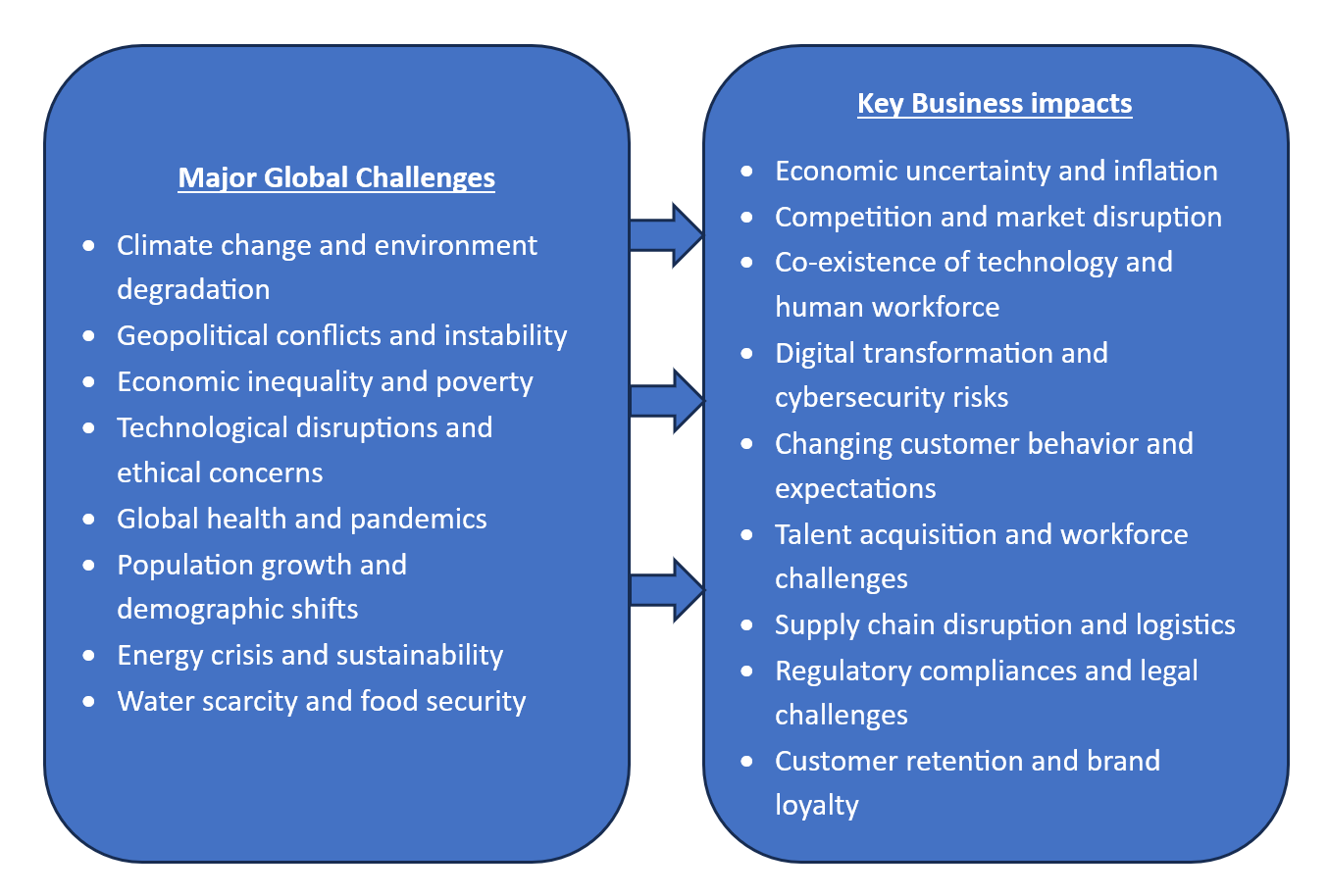
Complexity of business contracts is increasing with global challenges. Business landscape is changing & so are our contracts! Evolution of technology, geopolitics, climate change and various other challenges has disrupted every industry and purpose of contracts is also evolving in this journey. Although, unprecedented challenges have surfaced because of globalization of business, we have also witnessed opportunities that never existed before. This has resulted in transformed business models and out of the box commercial models, which has created multifold opportunities for new and existing businesses. Majority of products have turned into services due to such evolutions.
Why most contracts are difficult to implement?
Due to mass globalization, contractual risks are influenced by multiple factors in today’s time. Risk aversion strategies of large organizations have forced them to templatize their contracts in order to mitigate the identified risks, irrespective of type of service or product being bought. This approach unnecessarily drifts the focus to unwanted Terms and Conditions and also increase the complexity of contracts multifold. On top of it, many stakeholders emotionally attach themselves with these generic, broad and one-sided T&Cs of all-purpose contract templates due to lack of their understanding of real business problems. Most suppliers and vendors also agree to such T&Cs due to fierce competition. This unknowingly makes the contracts rigid, one sided and difficult to implement, leaving behind the fundamental purpose of the contract.
Managing risks and creating value through trust
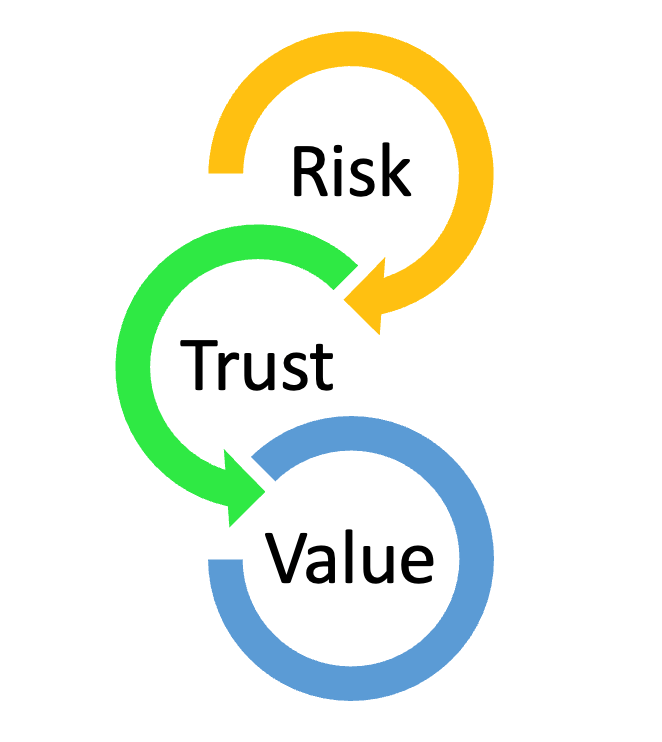
Contracts are fundamentally not required to be rigid, one-sided and complex. It is not difficult to select a strategic partner based on complementing capabilities and aligned business principles. Then it becomes easy to adopt a collaborative approach for defining business solutions and to conduct a balanced assessment for proper allocation of risks, which can be clubbed with an appropriate commercial model with adequate transparency and agreed in a simple, balanced and pragmatic contract. This approach is capable of creating enormous economic value for both the strategic partners and can only be implemented on the foundation of Trust. In today’s time, when speed is of the essence, it is not difficult to implement such models with the help of generative AI assisted tools.
#negotiations #makeitreal #getthefutureyouwant #Capgemini #WorldCC #commercialmentor #contractmanagement #riskmanagement #ashishseth